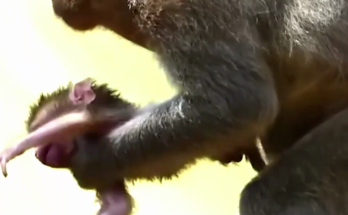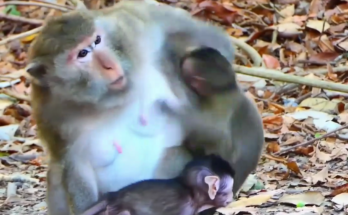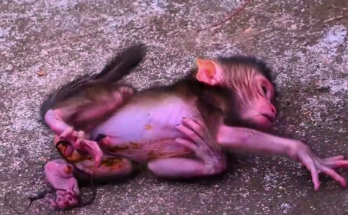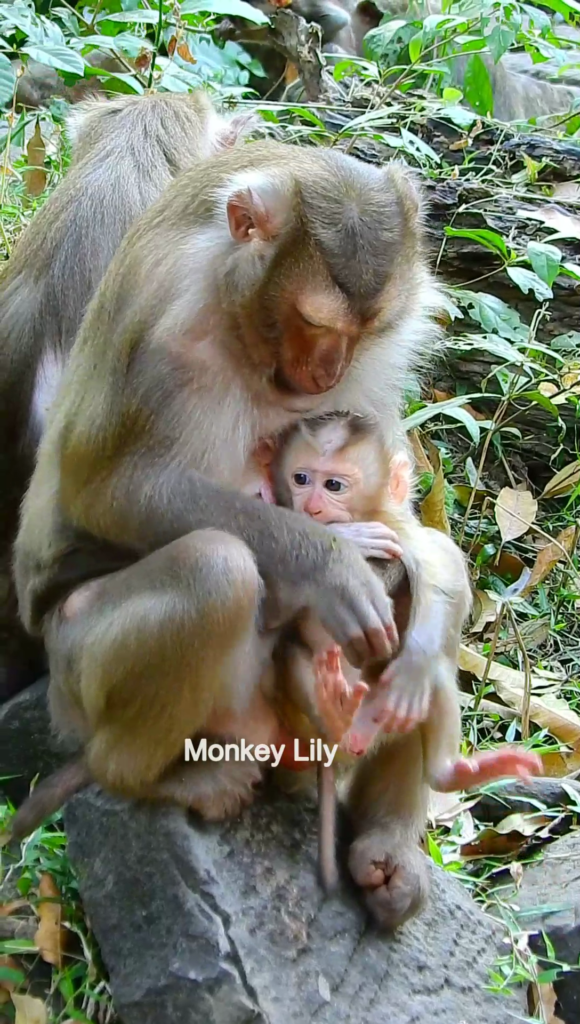
July has a unique way of caring for the little baby monkey, often engaging in grooming behaviors that are both nurturing and instinctual. This practice is not merely about cleanliness; it serves multiple purposes in the social dynamics of monkey groups. Grooming helps to strengthen bonds between individuals, fostering a sense of community and trust. In the wild, such interactions are crucial for the survival of the species, as they promote cooperation and reduce tension within the group. The act of grooming also has physiological benefits for the baby monkey. It aids in the removal of parasites and dirt from the fur, which is essential for maintaining health and hygiene. Additionally, the physical contact involved in grooming can be soothing, providing comfort and security to the young monkey. This tactile interaction is vital for its emotional development, as it learns to navigate social relationships and understand the importance of mutual care within its troop. Moreover, July’s grooming behavior can be seen as a form of teaching. By engaging in this activity, July is not only caring for the baby monkey but also modeling behaviors that the young one will replicate as it matures. This learning process is fundamental in primate societies, where knowledge and social skills are passed down through generations. Thus, July’s grooming is a multifaceted behavior that plays a significant role in the development and well-being of the baby monkey, highlighting the intricate social structures that exist within these animal communities.