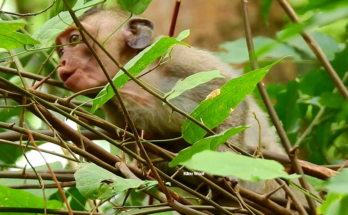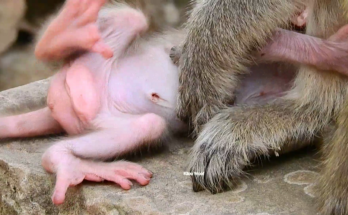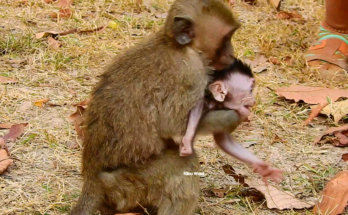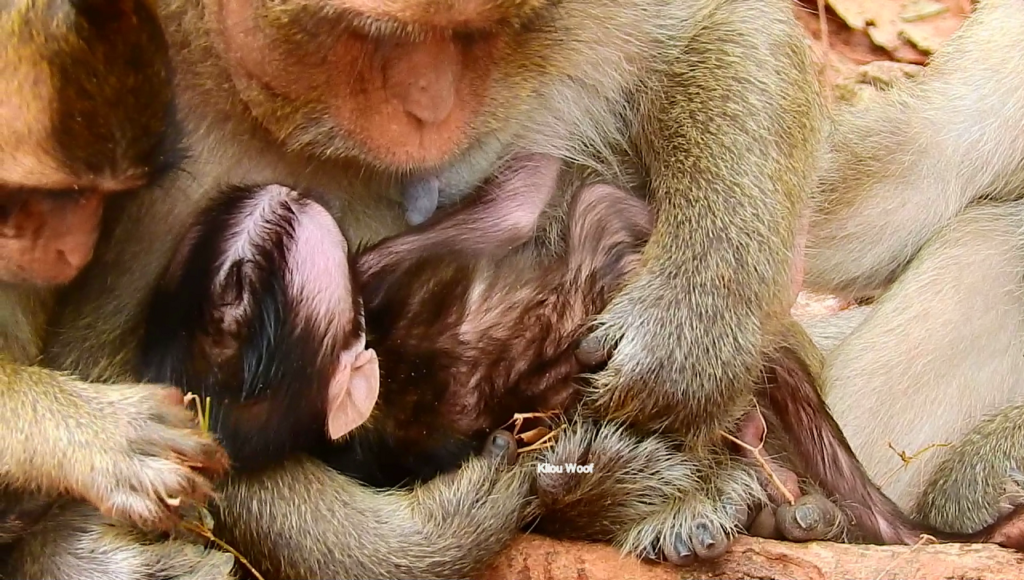
The recent surge of interest surrounding baby monkeys has captivated audiences worldwide, sparking conversations across social media platforms and news outlets alike. These adorable primates, often characterized by their playful antics and endearing features, have become a focal point for animal enthusiasts and casual observers. Their charming behaviors, such as clinging to their mothers or engaging in playful interactions with their peers, evoke a sense of wonder and joy, prompting many to share videos and images that showcase their delightful nature. This fascination is not merely superficial; it reflects a deeper appreciation for wildlife and the complexities of animal behavior.
In addition to their cuteness, baby monkeys serve as a reminder of the importance of conservation efforts. As many species face threats from habitat loss and poaching, the spotlight on these young primates can help raise awareness about the challenges they encounter in the wild. Conservationists emphasize that understanding the lives of baby monkeys is crucial for fostering empathy and support for their protection. By highlighting their vulnerabilities and the need for sustainable practices, the conversation surrounding these animals can lead to meaningful action aimed at preserving their habitats and ensuring their survival for future generations.
Moreover, the fascination with baby monkeys extends beyond mere entertainment; it opens up avenues for education and research. Scientists and animal behaviorists study these young primates to gain insights into social structures, communication, and developmental milestones within their species. This research not only enhances our understanding of monkey behavior but also contributes to broader discussions about primate intelligence and emotional complexity. As the dialogue continues to evolve, the collective interest in baby monkeys serves as a powerful catalyst for both awareness and action in the realms of wildlife conservation and scientific inquiry.