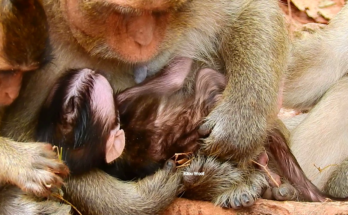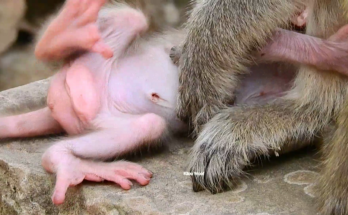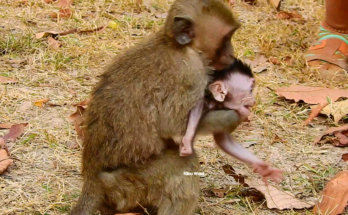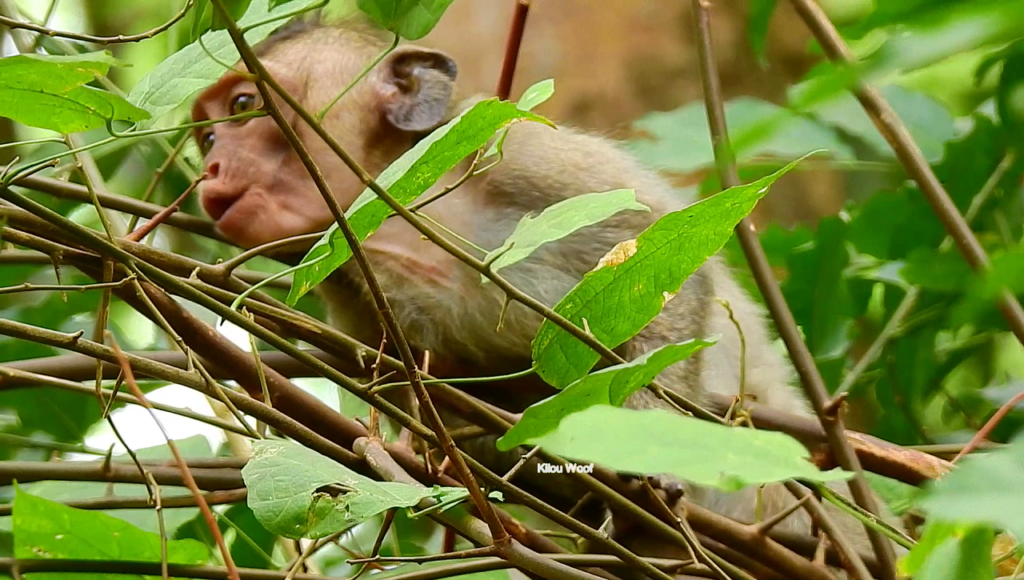
The internet has recently witnessed an adorable phenomenon: baby monkeys capturing the hearts of millions across various social media platforms. These playful primates, often seen engaging in charming antics, have become viral sensations, drawing attention from animal lovers and casual viewers alike. Their innocent expressions and mischievous behavior resonate with audiences, leading to a surge in shared videos and images that showcase their endearing qualities. As a result, these baby monkeys have not only entertained viewers but have also sparked discussions about wildlife conservation and the importance of protecting their natural habitats.
In addition to their cuteness, the rise of baby monkeys on the internet has highlighted the role of social media in shaping public perception of wildlife. Platforms like Instagram, TikTok, and YouTube have become vital tools for raising awareness about various species, allowing users to connect with animals they might never encounter in real life. This newfound visibility can lead to increased interest in conservation efforts, as viewers are often inspired to learn more about the challenges these animals face in the wild. The combination of entertainment and education creates a unique opportunity for advocacy, encouraging a broader audience to engage with environmental issues.
Moreover, the phenomenon of baby monkeys going viral serves as a reminder of the power of digital content in influencing trends and behaviors. As these adorable creatures capture the attention of millions, they also pave the way for discussions surrounding ethical wildlife tourism and the impact of human activity on their ecosystems. The internet’s fascination with baby monkeys not only entertains but also serves as a catalyst for change, prompting individuals to consider their role in protecting wildlife and promoting sustainable practices. In this way, the cuteness of baby monkeys transcends mere entertainment, becoming a vehicle for meaningful conversations about our relationship with nature.