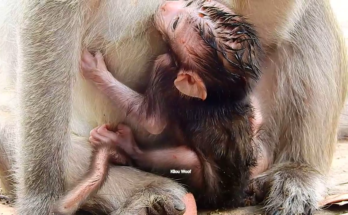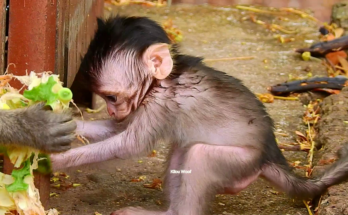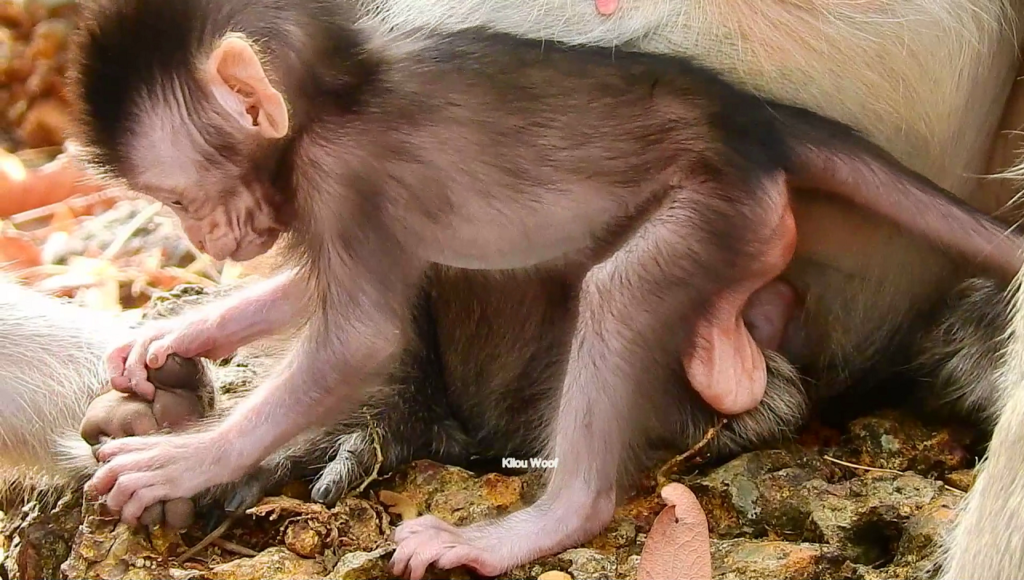
The phrase “Too Cute to Be Real!” captures a sentiment that resonates with many, particularly in the realm of social media and digital content. This expression often refers to images or videos that showcase adorable animals, particularly young ones, that evoke a sense of joy and wonder. The charm of these visuals lies not only in their aesthetic appeal but also in their ability to elicit emotional responses from viewers. The phenomenon of cuteness can be attributed to various factors, including the physical features of the subjects, such as large eyes and small noses, which trigger a nurturing instinct in humans.
In the context of online interactions, the allure of such content can lead to a significant increase in engagement, as users are drawn to share and comment on posts that feature irresistibly cute subjects. This trend has given rise to a plethora of social media accounts dedicated to showcasing adorable animals, from puppies and kittens to exotic creatures. The impact of these posts extends beyond mere entertainment; they often serve as a source of comfort and happiness, providing a brief escape from the stresses of daily life. The viral nature of these images can also contribute to raising awareness about animal welfare and conservation efforts, as they often highlight the beauty and fragility of various species.
Moreover, the phrase “Too Cute to Be Real!” encapsulates a broader cultural phenomenon where the boundaries between reality and digital representation blur. As technology advances, the ability to create hyper-realistic images and videos has grown, leading to a new form of artistic expression. This raises intriguing questions about authenticity and perception in the digital age. While some may argue that such representations can distort our understanding of the natural world, others celebrate the creativity and joy they bring. Ultimately, the charm of cuteness continues to captivate audiences, reminding us of the simple pleasures that can be found in both nature and the digital realm.